Surveying is an essential procedure in mapping, building, and land development that has actually undergone a tremendous development throughout the years. What is the Development Method for Precision Evaluating in Montreal? Discover Strategy a Study with 3D Laser Scanning! . Standard surveying methods in Montreal, as in lots of other parts of the globe, depended heavily on hands-on strategies and devices such as theodolites, chains, and levels. These devices required a substantial amount of time and manpower to determine ranges, angles, and elevations. Surveyors required to literally traverse the terrain, frequently under challenging problems, to collect the required information for developing maps or planning for building and construction jobs. The accuracy of these methods was greatly dependent on the ability and experience of the property surveyors, and while quite accurate, there was always some space for human error.
Modern strategies, on the various other hand, utilize technological advancements to achieve better precision, performance, and simplicity of information collection. One such cutting-edge tool is 3D laser scanning, a non-intrusive technique that captures thorough 3D images of items and landscapes. This innovation is revolutionizing the method surveys are conducted in Montreal.
3D laser scanning, additionally called LiDAR (Light Detection and Ranging), involves sending laser light beams in the direction of a target and gauging the time it considers the light to show back to the scanner. This info is after that made use of to determine specific ranges, leading to a collection of points called a "" point cloud"" that stands for the checked area in 3 measurements. The point cloud data can be refined to create very exact 3D designs, which are vital for a plethora of applications including metropolitan preparation, heritage conservation, facilities growth, and construction.
The growth method for accuracy checking utilizing 3D laser scanning begins with intending the study. This entails specifying the scope and objectives of the study, developing control points, and determining the optimal positions for the laser scanner to cover the entire location of interest. The preparation phase is critical for ensuring that the survey is executed effectively, with very little interruptions and redundancies.
When the plan remains in place, land surveyors utilize 3D laser scanners to record the data. These devices are commonly mounted on tripods and can be run from another location, significantly minimizing the need for property surveyors to accessibility tough or unsafe terrain. The speed of information purchase is another significant advantage; a site that would take days to check with traditional techniques can currently be scanned in simply a few hours.
After the information is collected, it is processed using specialized software application to create comprehensive 3D designs. These designs can be analyzed, shared electronically, and made use of for
The introduction of 3D laser scanning innovation has actually reinvented the field of accuracy surveying, and no place is this more obvious than in the bustling metropolitan area of Montreal. This vibrant Canadian city, with its blend of historical design and modern facilities, presents distinct challenges and opportunities for property surveyors. The advancement technique for precision surveying has advanced significantly with the integration of 3D laser scanning, changing the method specialists in Montreal plan and perform their studies.
3D laser scanning, likewise known as LiDAR (Light Discovery and Ranging), is an advanced technology that catches comprehensive three-dimensional info concerning physical items and the atmosphere. It functions by emitting a laser light beam towards a target and determining the moment it takes for the light to reflect back to the scanner. This procedure takes place at exceptionally fast prices, allowing the capture of millions of information points in an issue of mins. These data points, referred to as factor clouds, create a precise electronic depiction of the scanned location.
In Montreal, where the preservation of heritage sites is as crucial as the construction of brand-new developments, 3D laser scanning uses a non-intrusive and extremely precise technique of documenting status quo. Surveyors can catch the minutest information of a site without physical get in touch with, making it excellent for delicate or inaccessible locations. For new constructions, this innovation aids in the creation of as-built models, guaranteeing that the final construct adapts precisely to the style specifications.
The process of intending a study with 3D laser scanning in Montreal begins with a clear understanding of the task requirements. Surveyors need to think about the range of the project, the level of detail required, and the end-use of the data. As soon as the objectives are set, they can pick the ideal scanning tools and methods to achieve the preferred outcomes.
Throughout the survey, several scans from various placements are commonly necessary to get a full photo of the site. These private scans are then aligned and merged right into a comprehensive 3D design. Advanced software program tools enable property surveyors to procedure and assess the factor cloud information, removing important information such as measurements, volumes, and structural deformations.
The advantages of making use of 3D laser scanning for accuracy checking in Montreal are countless. It significantly minimizes the time and labor needed for conventional checking methods, and the high degree of accuracy minimizes the risk of expensive errors. Furthermore, the digital nature of the data makes it easily shareable among job stakeholders, promoting far better communication and collaboration.
In conclusion, the advancement strategy for precision checking in Montreal has been
Precise surveying has actually constantly been the cornerstone of successful building, restoration, and documentation jobs. In Montreal, a city where historic charm mixes with modern design, the need for accuracy takes on an even greater importance. The development method for precision surveying has seen an innovative change with the advent of 3D laser scanning modern technology. This modern technology has redefined the standard techniques by offering faster, more precise, and exceptionally comprehensive representations of physical rooms. Below's a step-by-step process of preparing a survey using 3D laser scanning in the context of Montreal's surveying landscape.
Step 1: Define the Task Extent
Prior to starting the survey, it's critical to define the project scope. In Montreal, this might involve elaborate architectural information on a heritage structure, a sprawling industrial website, or a complicated infrastructure network. Recognizing the end objective, whether it's for remodelling, building and construction, or historical conservation, sets the phase for all the succeeding actions.
Step 2: Pick the Right Tools
The following step is picking the proper 3D laser scanning tools. Not all scanners are produced equivalent; some master indoor settings, while others are much better suited to large exterior spaces. Montreal's varied landscape demands a versatile scanner that can capture great details with high precision. Elements such as range, resolution, and speed of the scanner have to straighten with project demands.
Action 3: Study the Area
Montreal's diverse weather condition can posture challenges, so it is very important to intend the study for optimal problems. When on site, the study team establishes recommendation points and look for any kind of barriers that could prevent the scanning process. The team additionally establishes the variety of scans needed and the very best areas to place the scanner to guarantee complete coverage.
Tip 4: Conduct the Scanning
With whatever in position, the real scanning starts. The 3D laser scanner works by releasing laser beam of lights and recording the shown light, which is then made use of to develop a point cloud. This point cloud will certainly act as an electronic depiction of the surveyed area, providing a level of information that conventional approaches can not match.
Tip 5: Data Handling
After the scan is total, the raw information goes through handling. This includes tidying up the factor cloud, straightening several scans for a cohesive model, and perhaps converting the data into layouts compatible with CAD or BIM software. This step is where the information starts to tackle a useful kind, enabling engineers, designers, and organizers to interact with the figure
The evolution of precision surveying has been noted by considerable technological advancements, and among one of the most cutting-edge developments in this field is the introduction of 3D laser scanning, specifically in the complex and vibrant metropolitan atmospheres such as Montreal. This advanced technique has reinvented the way land surveyors gather data and has facilitated the development of extremely precise and thorough designs of metropolitan landscapes.
3D laser scanning, additionally called LiDAR (Light Detection and Ranging), is a non-intrusive technique that catches the physical residential or commercial properties of things and the setting through the use of laser light. This modern technology sends out millions of laser pulses per 2nd towards the target area, and the moment it considers each pulse to return is gauged to determine accurate ranges. The result is a dense collection of data points, called a factor cloud, which can be utilized to create comprehensive three-dimensional depictions of the checked location.
One of the primary benefits of 3D laser scanning for accuracy evaluating in urban environments is its exceptional accuracy. The high fidelity of information caught permits the development of electronic doubles of structures, frameworks, and landscapes with millimeter-level precision. This is crucial in a city like Montreal where historic buildings, modern architecture, and intricate facilities coexist, and where exact measurements are required for both conservation and advancement purposes.
One more benefit is the speed of information collection. Typical evaluating techniques can be taxing, especially in dense urban locations with various features to determine. 3D laser scanning considerably reduces the time required to evaluate a website, as it can catch thorough data in an issue of minutes or hours, depending upon the dimension and intricacy of the area. This effectiveness not only lowers labor prices yet also reduces interruptions in hectic urban setups.
Moreover, 3D laser scanning enhances safety and security for both the property surveyors and the general public. By enabling remote data collection, property surveyors can avoid dangerous locations or situations, such as high web traffic locations or unpredictable frameworks. The safety and security of the public is additionally guaranteed as the innovation permits very little interference with everyday activities, lowering the risk of accidents related to traditional surveying equipment established on-site.
Data captured by means of 3D laser scanning can additionally be conveniently shared and incorporated right into various software platforms for further analysis, which is essential for collaborative metropolitan growth projects. Architects, engineers, and building specialists can work with the same accurate designs, guaranteeing consistency and lowering errors throughout the task lifecycle.
In Montreal, a city with a rich background and a lively urban fabric, planning
In the bustling city of Montreal, the development of precision surveying has taken a significant leap onward with the integration of 3D laser scanning modern technology. This sophisticated method to surveying is transforming the method experts record and examine data, providing unparalleled precision and performance in a range of construction and improvement projects. In this essay, we will certainly check out the growth method for precision checking in Montreal and just how 3D laser scanning is used to plan studies with impressive precision.
The core of accuracy surveying in Montreal depends upon making use of 3D laser scanning, additionally known as LiDAR (Light Detection and Ranging). This sophisticated innovation employs a laser to gauge and record the physical qualities of a space or structure in 3 measurements. The scanner emits millions of laser beams per second, which jump off surfaces and go back to the sensing unit, providing accurate dimensions of distance.
When planning a survey with 3D laser scanning, the very first step is to develop the survey purposes. This can involve understanding the architectural stability of a heritage building, drawing up energy networks, or preparing for a complex construction project. Land surveyors must establish what degree of detail is called for and the most effective viewpoint for placing the scanner to cover the whole location of rate of interest.
When the goals are set, land surveyors conduct a site check out to familiarize themselves with the area and identify any prospective challenges that could disrupt the laser scanning process. These can consist of moving vehicles, pedestrians, or ecological aspects such as lights and climate condition. This reconnaissance is vital for guaranteeing that the scanning procedure goes smoothly and that the data collected is of the finest quality.
The actual survey procedure includes setting up the laser scanner on a tripod and methodically capturing data from various places. Overlapping scans make sure total protection and are later sewn with each other making use of specialized software to create a thorough digital depiction of the checked area. This electronic version, called a point cloud, contains countless specific data points that can be adjusted and evaluated to remove beneficial insights.
The elegance of 3D laser scanning hinges on its adaptability and precision. It can record minute information of intricate geometries and large environments, making it vital for designers, engineers, and construction specialists. For instance, in an effective study, accuracy evaluating was utilized to record the intricate façades of historic buildings in Old Montreal. The resulting 3D versions provided engineers with the in-depth info needed to plan restoration work while preserving the special building heritage.
One more effective application of accuracy checking in Montreal included the growth of
The development of precision surveying methods has actually been changed by the introduction of 3D laser scanning modern technology, which has actually provided property surveyors with the capability to catch thorough and exact depictions of atmospheres and frameworks. In Montreal, as in various other components of the world, this modern technology has actually come to be a very useful tool for professionals in construction, design, and urban preparation. However, in spite of its numerous benefits, 3D laser scanning is gone along with by a collection of challenges and limitations that should be recognized and dealt with.
Among the main challenges encountered by surveyors making use of 3D laser scanning in Montreal is the high preliminary expense of tools. The investment required for a high-grade 3D laser scanner can be considerable, which can be an obstacle for small firms or private land surveyors. Along with the in advance cost, the upkeep and prospective updates to software and equipment can even more include in the financial problem.
An additional limitation is the reliance on line-of-sight. Laser scanners can only catch surfaces that are directly visible to them. In complicated metropolitan environments such as Montreal, with its mix of historical and modern style, this can cause information voids where the laser can not reach because of blockages. Land surveyors have to consequently intend their scans carefully and may need to perform several scans from various locations to make sure complete insurance coverage.
Climate condition can likewise influence the performance of 3D laser scanning. Damaging climate, such as hefty rainfall or snow, which Montreal can experience, can hinder the precision of the laser scans. Cold temperature levels can impact equipment efficiency and battery life, while intense sunlight can saturate sensors, decreasing the quality of the data recorded.
Data handling is one more location where challenges emerge. The raw data collected from 3D laser scans is commonly abundant and needs considerable computational power and time to refine into useful designs. This processing can become a bottleneck, particularly for massive tasks, requiring durable equipment and proficient operators who can take care of and control the information successfully.
Moreover, while 3D laser scanning offers high precision, it is not unsusceptible to mistakes. Calibration, tool stability, and customer experience all play important duties in the precision of the last outcome. Incorrect data can lead to costly blunders in the preparation and construction stages of a task, emphasizing the need for strenuous quality assurance measures.
Lastly, there is a discovering curve connected with 3D laser scanning technology. Surveying professionals must remain abreast of the latest advancements and be experienced at making use of facility software program for information analysis. This requires ongoing training and specialist development,
Future Improvements in Precision Surveying Technologies and Methods
In the bustling metropolitan area of Montreal, the evolution of accuracy evaluating strategies is a crucial element of city advancement, infrastructure upkeep, and building jobs. The growth method for accuracy checking in Montreal is increasingly embracing cutting-edge innovations, with 3D laser scanning at the forefront of this transformative age. Allow's delve into how this technology is revolutionizing the evaluating landscape and what future developments may better enhance precision in surveying approaches.
Finding the Possible of 3D Laser Scanning
3D laser scanning, additionally referred to as LiDAR (Light Detection and Ranging), has actually reinvented the area of accuracy checking by supplying fast, precise, and detailed dimensions of physical spaces. This non-intrusive method involves sending out laser light beams in the direction of the target area and catching the shown light to develop point clouds. These point clouds develop high-resolution electronic 3D versions of the checked location.
In Montreal, the application of 3D laser scanning is essential in the conservation of historic architecture, the building of brand-new advancements, and the expansion of transportation networks. Surveyors can now record the ins and outs of complex facades, screen building and construction progress in real-time, and guarantee that tasks adhere to stringent resistances, all with minimal interruption to the surrounding setting.
Planning a Study with 3D Laser Scanning
Planning a study with 3D laser scanning modern technology begins with developing clear purposes. In Montreal, where both modern-day skyscrapers and historic habitations exist side-by-side, it's critical to customize the survey strategy according to the project's demands. Property surveyors must consider variables such as the degree of information called for, the size of the location to be checked, and the possible barriers that could prevent the scanning procedure.
When the goals are set, the following step is to position the laser scanning devices strategically around the website to ensure detailed coverage. As the data is collected, it's refined through innovative software that stitches with each other the factor clouds, producing a cohesive 3D version. This digital depiction after that works as a foundational tool for engineers, engineers, and stakeholders to analyze and make notified decisions.
Imagining Future Innovations
The future of precision checking in Montreal looks intense, with the capacity for substantial developments on the horizon. One such growth is the integration of artificial intelligence (AI) with 3D laser scanning. AI algorithms can improve data handling, automate attribute acknowledgment, and discover changes with time, leading to also
Main article: Sports in Montreal
The most popular sport is ice hockey. The professional hockey team, the Montreal Canadiens, is one of the Original Six teams of the National Hockey League (NHL), and has won an NHL-record 24 Stanley Cup championships. The Canadiens' most recent Stanley Cup victory came in 1993. They have major rivalries with the Toronto Maple Leafs and Boston Bruins, both of which are also Original Six teams, and with the Ottawa Senators, the closest team geographically. The Canadiens have played at the Bell Centre since 1996. Prior to that they played at the Montreal Forum.
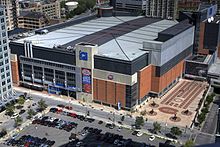
Opened in 1996, the Bell Centre is a sports and entertainment complex and the home arena for the Montreal Canadiens.
The Montreal Alouettes of the Canadian Football League (CFL) play at Percival Molson Memorial Stadium on the campus of McGill University for their regular-season games. Late season and playoff games are sometimes played at the much larger, enclosed Olympic Stadium, which also hosted the 2008 Grey Cup. The Alouettes have won the Grey Cup eight times, most recently in 2023. The Alouettes have had two periods on hiatus. During the second one, the Montreal Machine played in the World League of American Football in 1991 and 1992. The McGill Redbirds, Concordia Stingers, and Université de Montréal Carabins play in the U Sports football league.
Montreal has a storied baseball history. The city was the home of the minor-league Montreal Royals of the International League until 1960. In 1946, Jackie Robinson broke the Baseball colour line with the Royals in an emotionally difficult year; Robinson was forever grateful for the local fans' fervent support.[197] Major League Baseball came to town in the form of the Montreal Expos in 1969. They played their games at Jarry Park Stadium until moving into Olympic Stadium in 1977. After 36 years in Montreal, the team relocated to Washington, D.C., in 2005 and re-branded themselves as the Washington Nationals.[198]
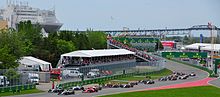
Montreal is the site of the Canadian Grand Prix, an annual Formula One auto race.
CF Montréal (formerly known as the Montreal Impact) are the city's professional soccer team. They play at a soccer-specific stadium called Saputo Stadium. They joined North America's biggest soccer league, Major League Soccer, in 2012. The Montreal games of the 2007 FIFA U-20 World Cup[199] and 2014 FIFA U-20 Women's World Cup[200] were held at Olympic Stadium, and the venue hosted Montreal games in the 2015 FIFA Women's World Cup.[201]
iScano Montreal seamlessly integrates 3D laser scanning data into BIM processes, enhancing collaboration, reducing errors, and streamlining construction workflows.
iScano contributes to sustainable construction by optimizing project efficiency, reducing material waste, and promoting precise resource management in Montreal.
iScano's services facilitate accurate project planning, reducing risks and improving overall execution for local construction companies in Montreal.
Yes, iScano Montreal provides training programs and consultations to empower local professionals with the knowledge and skills needed to leverage 3D laser scanning in construction projects.